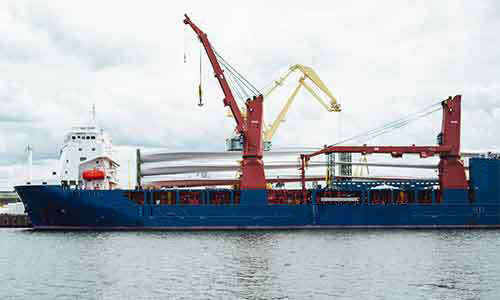
Sea freight carries most of the world's traded goods, and for anything heavy, bulky or not urgent it is usually the most economical way to move cargo out of India. This guide explains how sea freight (also called ocean freight or sea shipping) works from Chennai and the other Indian ports, what drives the cost, and how to avoid the delays that catch first-time shippers out.
What is sea freight?
Sea freight is the movement of cargo on container ships between ports. Goods are packed into standard containers, trucked to the port, loaded onto a vessel, shipped to the destination port and then cleared and delivered onward. Because a single ship carries thousands of containers, the cost per kilogram is far lower than air freight, in exchange for longer transit times.
FCL vs LCL: which container option?
FCL (Full Container Load) means you book an entire container, usually a 20-foot or 40-foot unit, for your own cargo. It is the better choice for larger volumes and gives you more control over loading and sealing. LCL (Less than Container Load) means your cargo shares a container with other shippers' goods, so you pay for the space you use. LCL suits smaller shipments but involves extra handling at both ends. Our detailed FCL vs LCL guide shows how to decide.
What affects the cost of sea freight?
Rates change often, so any figure quoted months ago may be out of date. The main factors are:
- Container type and volume: FCL size, or the cubic metres or weight billed for LCL.
- Route and carrier: the origin and destination ports, and whether the service is direct or involves transhipment.
- Season and market conditions: peak seasons, fuel costs and carrier surcharges move freight rates.
- Cargo type: dangerous goods, temperature-controlled and over-dimensional cargo cost more to handle.
- Origin and destination charges: port handling, documentation, customs clearance and inland delivery.
- Incoterm: which side pays which part of the journey.
Typical sea freight transit times from Chennai
Transit time depends on the carrier, routing and any transhipment, so treat these as rough guides: South East Asia such as Singapore is often around 5 to 10 days port to port, the Gulf and Middle East around 1 to 4 weeks, and Europe, the UK, Australia, Africa and North America typically 3 to 6 weeks or more. Add time for inland transport, export clearance, port cut-offs and destination clearance. Your forwarder should confirm a schedule for the specific sailing.
Documents needed for sea freight from India
The core documents are the commercial invoice, packing list, shipping bill and Bill of Lading, along with your IEC and any certificates the destination requires, such as a certificate of origin. Mismatches between documents are a common cause of delay. Our export documents checklist covers each one, and our guide to the Bill of Lading explains the key transport document.
How to avoid delays and extra charges
- Get the HS code, weight and dimensions right on every document.
- Check the destination country's import rules before booking, including packaging and product approvals.
- Meet the port and vessel cut-off dates for cargo delivery and documentation.
- Clear cargo at the destination promptly to avoid storage, demurrage and detention, which we explain in our guide to demurrage and detention charges.
Sea freight or air freight?
Choose sea freight when cost matters more than speed and the cargo is heavy or bulky. Choose air freight for urgent, high-value or time-sensitive goods. Our comparison of air freight vs ocean freight goes deeper.
Cloudsea Shipping books FCL and LCL sea freight from Chennai to destinations worldwide. See our ocean freight services or browse international shipping lanes, then request a quote with your cargo details.